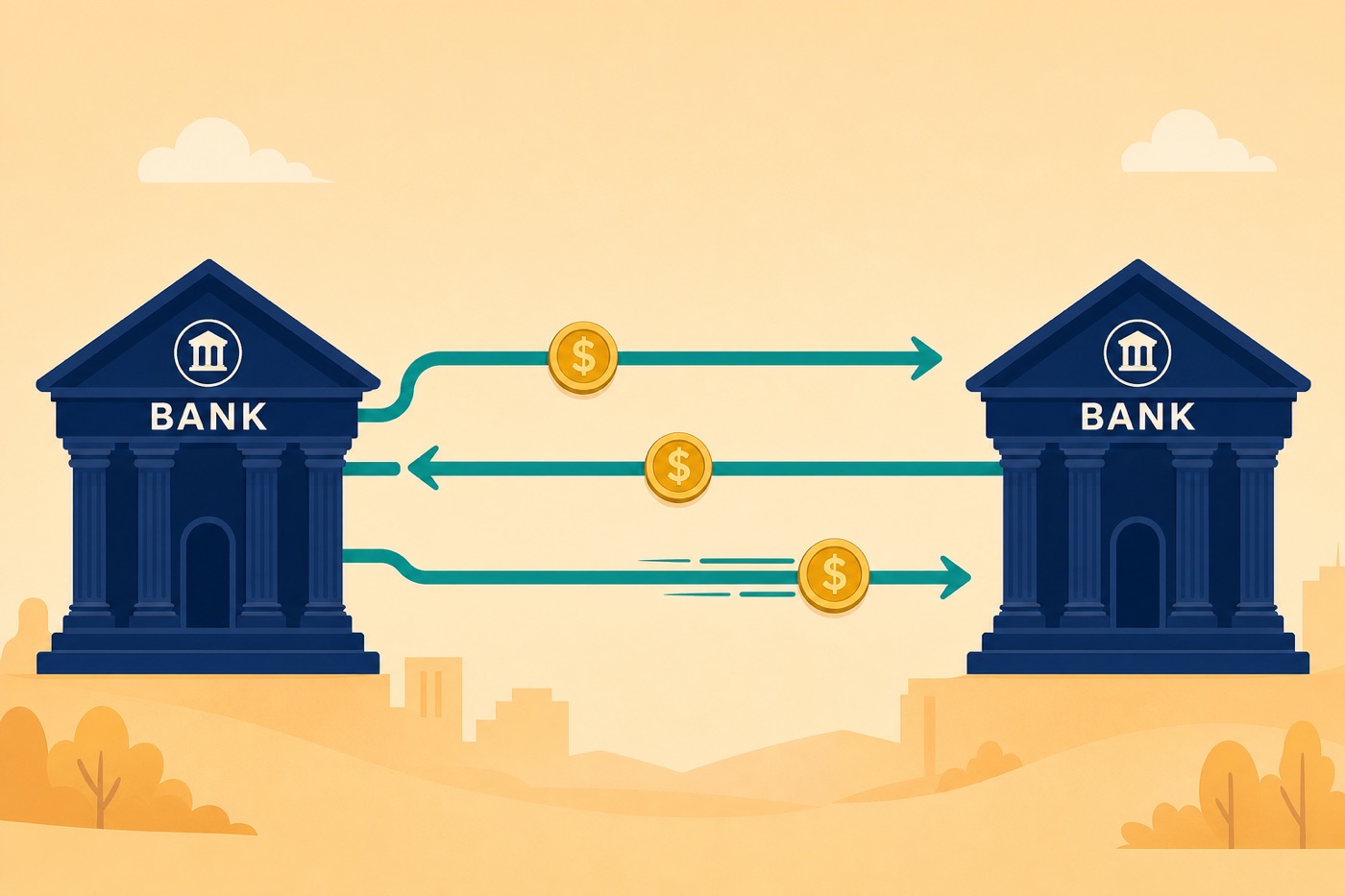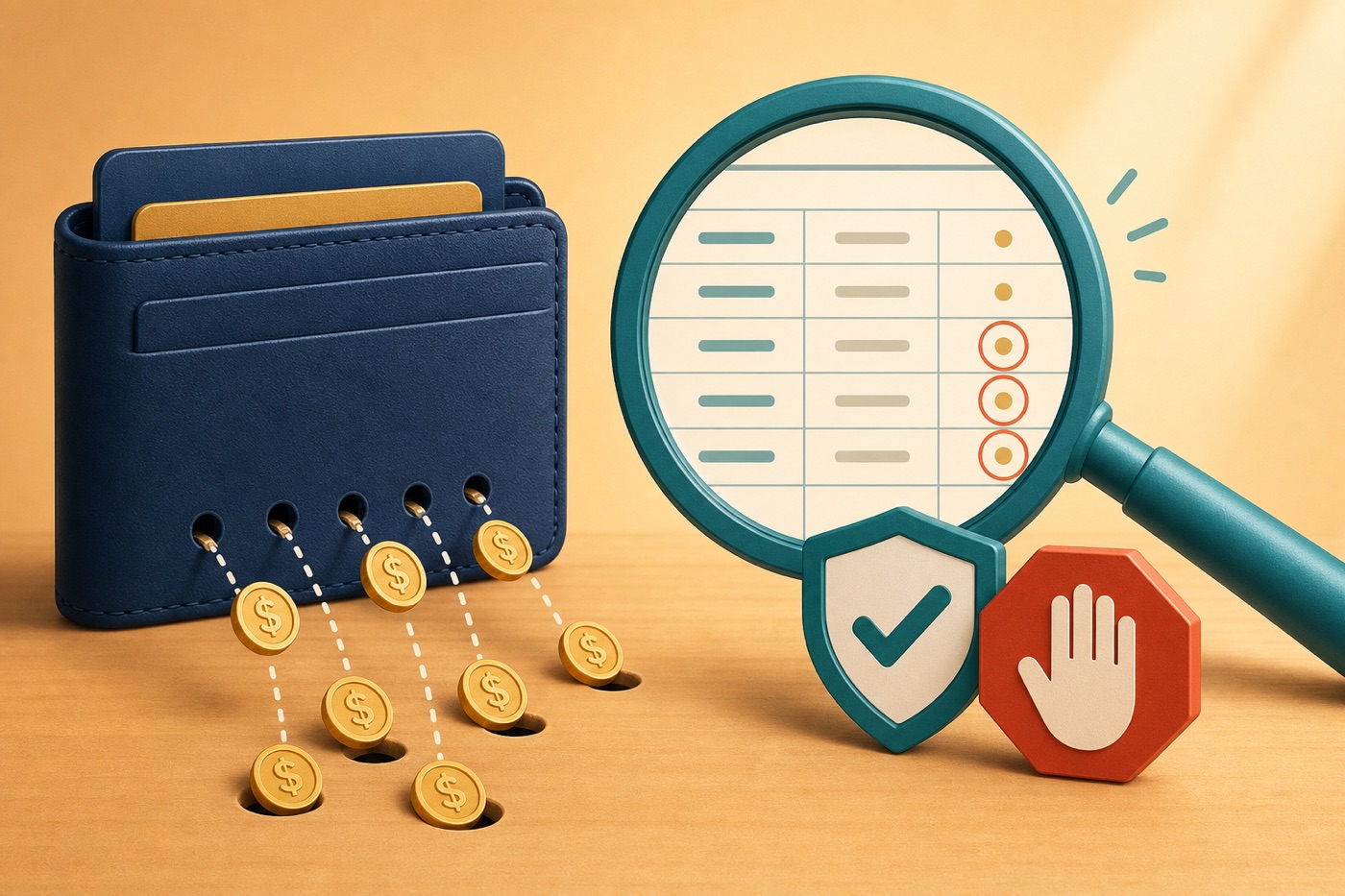
I once went through six months of statements from an old checking account and added up every fee line item. The total was embarrassing – not because the fees were individually large, but because almost every single one of them was avoidable, and I’d simply never bothered to check. Bank account fees aren’t random; they follow a small, predictable set of patterns, and once you know the patterns you can usually sidestep most of them without switching banks or changing how you actually live.
This is a rundown of the fees that show up most often on ordinary personal checking and savings accounts, why banks charge them, and what typically makes them go away.
The monthly maintenance fee
This is the flat charge – often somewhere between five and fifteen dollars – just for keeping the account open, regardless of what you do with it. Banks present it as a cost of servicing the account, but in practice it’s almost always waivable, and the bank knows most customers won’t ask how.
The common waiver conditions are a minimum daily balance, a minimum number of monthly direct deposits, or being enrolled in a bundled relationship (a linked savings account, a certain combination of products, sometimes a student or senior status). The catch is that these conditions are usually spelled out in the account disclosure document that almost nobody reads when they open the account. It’s worth pulling that document once and checking which condition applies to you – in a lot of cases you’re already meeting it and simply aren’t getting the waiver because of some small technicality, like a direct deposit landing a day after the statement cycle closes.
ATM fees: the double charge people don’t expect
Withdraw cash from a machine outside your bank’s network and you can get hit twice: a fee from the ATM’s owner for using their machine, and a separate “out-of-network” fee from your own bank for the privilege of you using someone else’s machine. Neither fee is small on its own, and together they can easily eat ten percent or more of a modest withdrawal.
The fix is almost entirely behavioral. Most banking apps now show a map of in-network ATMs, and it’s worth spending two minutes finding the two or three closest to where you actually live and work. Some banks also reimburse a limited number of out-of-network ATM fees per month as an account perk – it’s easy to miss this benefit if you’ve never read your account’s fee schedule end to end. And withdrawing a larger amount less often is a simple way to reduce how many times you pay the fee at all.
Overdraft and insufficient-funds fees: the expensive ones
These are the fees that do the most damage, both because they’re large in dollar terms – often thirty dollars or more per occurrence – and because they can compound if multiple transactions post while the account is already negative. An overdraft fee applies when the bank covers a payment that exceeds your balance; a returned-item or non-sufficient-funds fee applies when it declines the payment instead. Either way, the trigger is the same: your balance dropped below zero, even briefly, even by a few dollars.
A few habits meaningfully reduce exposure here. Opting out of overdraft coverage for everyday debit card purchases means those transactions simply get declined at the register instead of silently succeeding and triggering a fee later – an inconvenience in the moment, but a cheap one. Linking a savings account for automatic overdraft transfer, where available, usually costs a small flat transfer fee instead of a full overdraft charge. And low-balance alerts, which most banking apps let you set for free, buy you a day or two of warning before an automatic payment would push you negative. The Consumer Financial Protection Bureau has a clear breakdown of how overdraft programs work and what a bank is required to disclose about them.
Foreign transaction fees: the markup you don’t see until the statement arrives
When you use a personal debit or credit card abroad, or on a purchase billed in another currency, many cards apply a foreign transaction fee – typically around two to three percent of the purchase – on top of whatever exchange rate was used to convert the charge. It’s easy to miss because it doesn’t show up as a separate, obviously-labeled line most of the time; it’s folded into the converted amount you see on your statement.
Not all personal cards charge this. A number of travel-oriented credit cards and some checking accounts marketed toward frequent travelers waive it entirely, and it’s worth checking your card’s terms before a trip rather than after. If your existing card does charge the fee, paying in the local currency rather than accepting a merchant’s offer to “convert to your home currency at the point of sale” avoids an additional markup layered on top – that on-screen conversion offer almost always uses a worse rate than your card issuer would apply on its own.
The pattern underneath all of it
Almost every fee on this list shares the same structure: a condition you can usually meet or avoid, buried in a disclosure document you were never required to read closely. Pulling up your actual account agreement once, checking which fees apply and what waives them, and setting a couple of balance alerts takes less than an hour and tends to save far more than that hour is worth over a year.