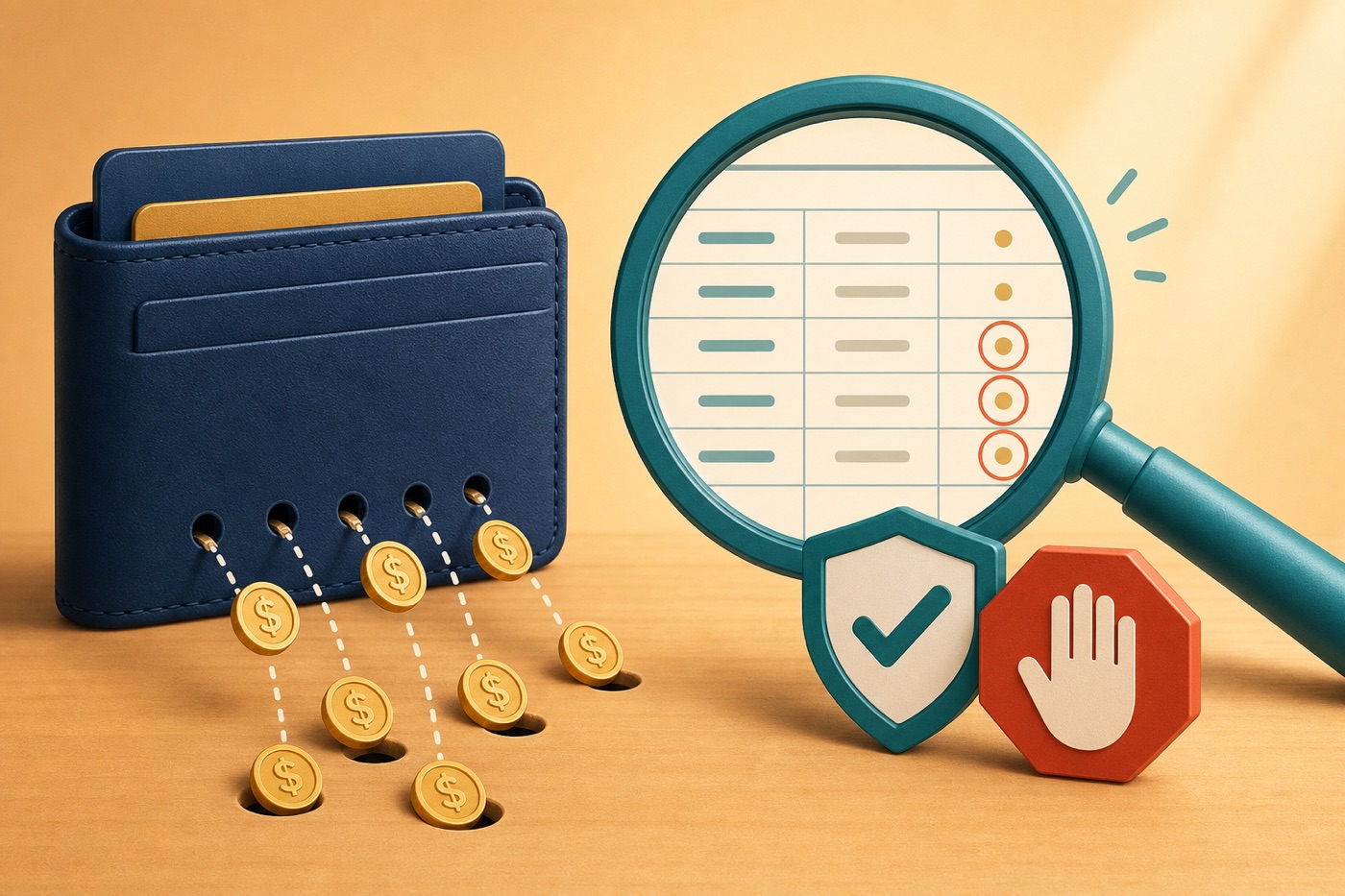
I found a duplicate charge on my own account once, from a gym I’d already switched away from months earlier, sitting there for three billing cycles before I noticed. It wasn’t hidden – it was right there on the statement, in plain rows, the same as every other transaction. I just wasn’t actually reading them. I was glancing at the balance, confirming it looked roughly right, and moving on. Most people bank this way, and most of the time nothing bad comes of it. The times something does go wrong, though, are exactly when an actual read of the statement would have caught it early instead of months later.
A bank statement isn’t complicated once you know what you’re looking for. It’s a handful of recurring patterns, and once you know the patterns, a proper review takes ten minutes a month, not an hour.
Start with the two numbers that should agree
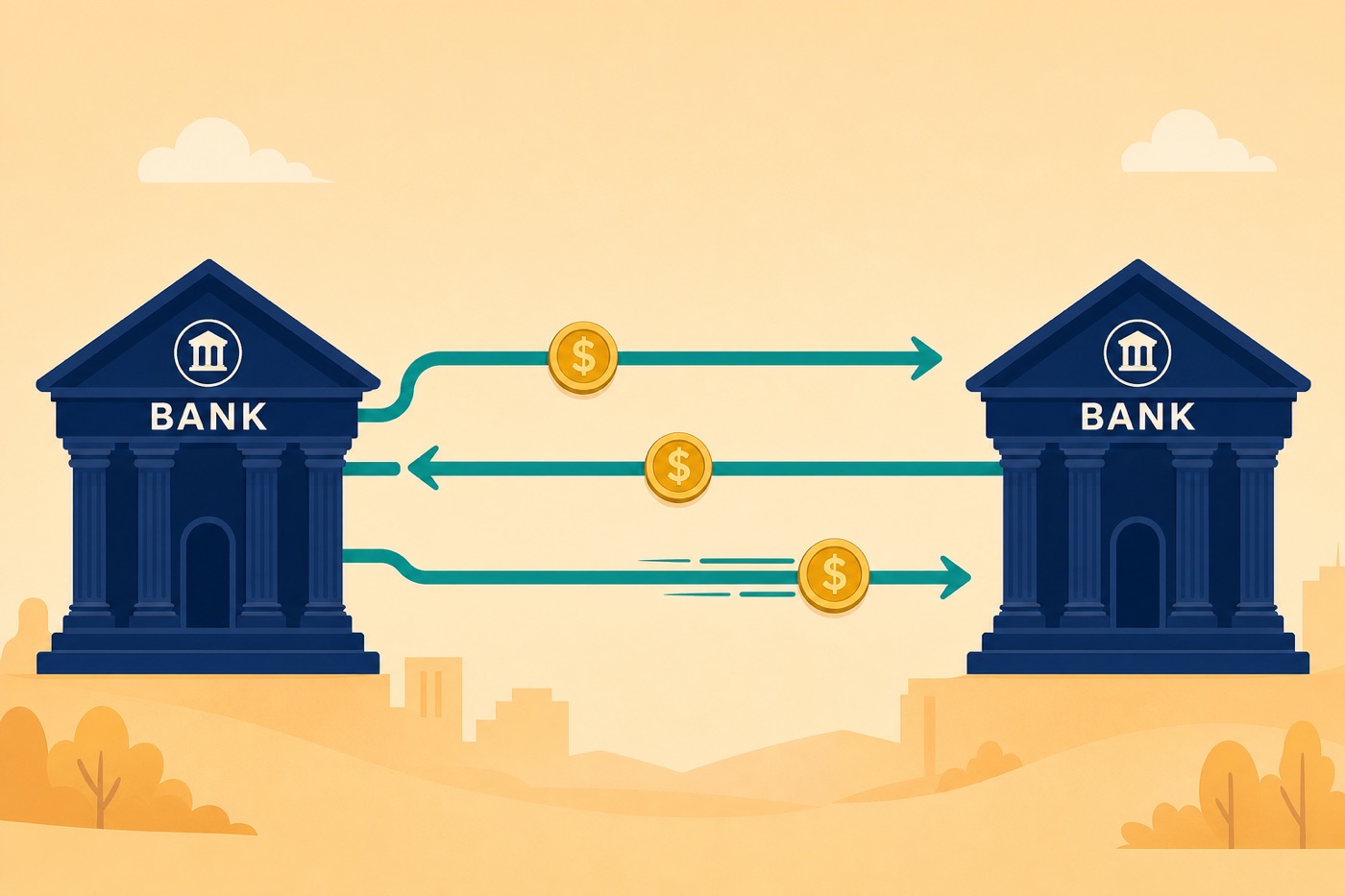
Every statement gives you an opening balance and a closing balance for the period. Before looking at anything else, do the basic arithmetic yourself: opening balance, plus every deposit, minus every withdrawal and fee, should equal the closing balance exactly. This sounds trivial, but it’s the fastest way to catch a transaction that’s missing from your own records or one that’s on the statement but shouldn’t be. If the math doesn’t reconcile, don’t move on until you find why – a mismatch here is either a bank error or a transaction you don’t recognize, and both are worth chasing down immediately rather than assuming it’ll sort itself out.
Read every line, not just the large ones
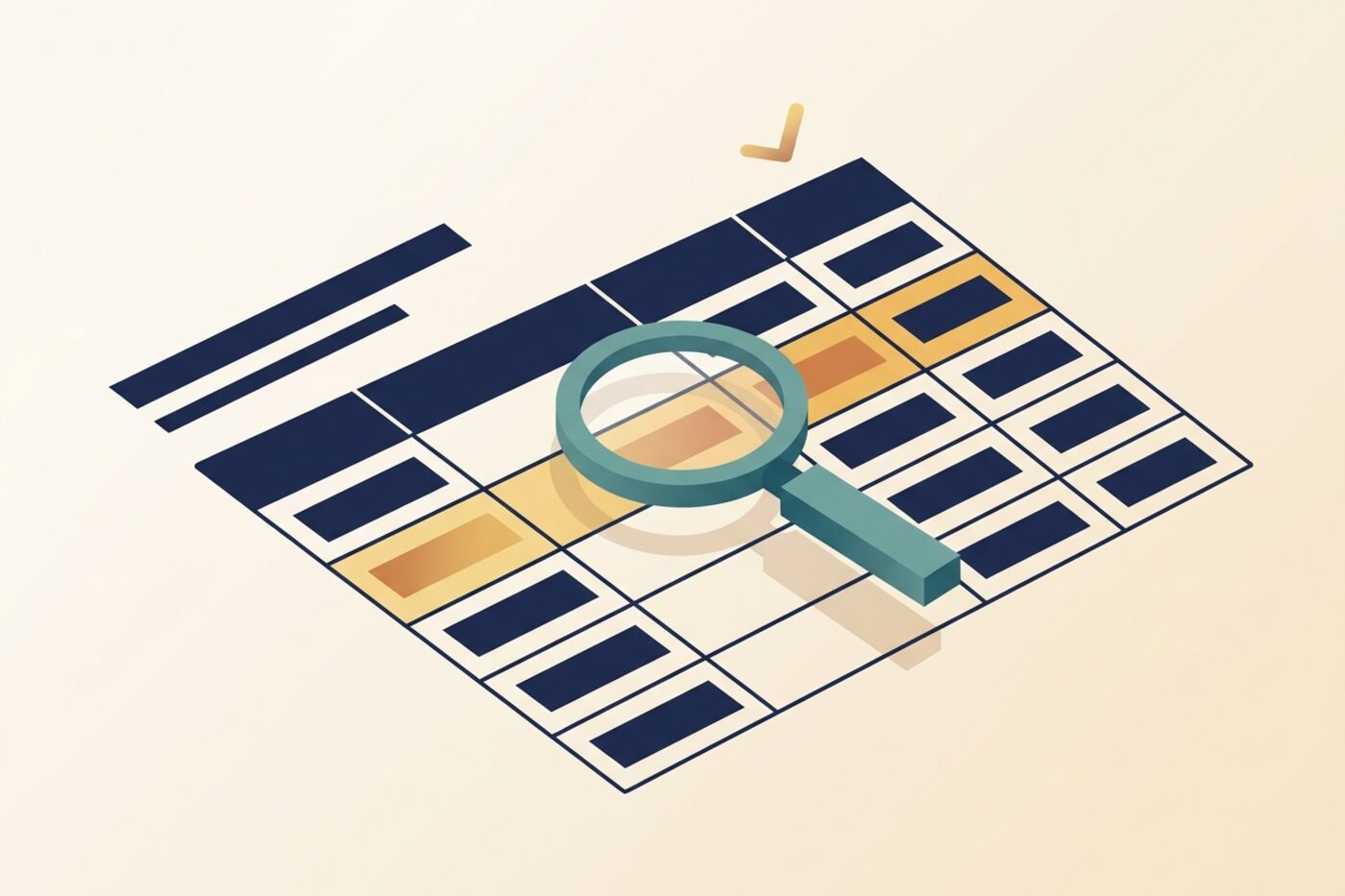
It’s natural to scan for anything that looks like a big number and skip past the small, familiar-looking charges. That habit is exactly what lets small unauthorized charges survive undetected for months, because fraudsters testing a stolen card number often start with a small, easy-to-miss charge before attempting anything larger. Going line by line, however briefly, means checking that you recognize the merchant name, that the amount matches what you expected to pay, and that it appears the correct number of times – once for a one-time purchase, exactly once per cycle for a subscription.
Pay particular attention to merchant names that look slightly different from what you’d expect – a payment processor’s name instead of the actual store, an abbreviated or misspelled version of a business you do recognize. These aren’t automatically fraudulent; plenty of legitimate businesses bill under a different registered name. But it’s exactly the kind of line that gets skipped on a quick scan and deserves a second look the first time you see it, so you can confirm what it is once and recognize it going forward.
Common errors worth specifically checking for
- Duplicate charges. The same amount, same merchant, posted twice in quick succession – often from a payment retry that didn’t fail cleanly on the merchant’s end.
- Subscriptions that should have been canceled. A service you canceled that billed you anyway, or a free trial that converted when you thought you’d opted out in time.
- Incorrect fee assessments. A monthly maintenance fee charged despite meeting the waiver conditions, or an overdraft fee applied when your own math says the balance shouldn’t have gone negative.
- Transactions in the wrong amount. A merchant error – a misplaced decimal, a duplicate line item on their end – that posts to your account exactly as they entered it, errors included.
Why timing matters more than most people realize
Reporting an error or unauthorized transaction promptly isn’t just good practice – in many jurisdictions it has real legal weight. Consumer protection rules in the US, for instance, limit your liability for unauthorized transactions much more favorably if you report them quickly, and that protection can weaken the longer you wait. The specific timelines and protections differ depending on whether the transaction ran through a debit card, credit card, or direct bank transfer, and they vary by country, so this isn’t a case where general advice substitutes for reading your own account agreement. The Consumer Financial Protection Bureau has a clear breakdown of how to dispute an error and what your rights are in the US: consumerfinance.gov. If you bank outside the US, your national financial regulator or ombudsman service will have the equivalent guidance for your jurisdiction.
Making the monthly review a fixed habit
The version of this that actually sticks is the boring one: pick a fixed day each month, right after your statement closes, and go through it line by line with the reconciliation check above. It doesn’t need to be elaborate – a printed statement and a pen, or the transaction list in your banking app scrolled through slowly, both work fine. What matters is that it happens on a schedule rather than only when something feels off, because the errors worth catching are, almost by definition, the ones that don’t feel obviously wrong at a glance.