I used to think a bank transfer was a single, simple thing: you click send, money moves. It took a genuinely frustrating experience – waiting three business days for a transfer that my bank’s app made look instantaneous – to realize there isn’t one “bank transfer.” There are several different systems, called rails, and each one trades off speed, cost, and reversibility differently. Once you know which rail you’re using, a lot of the mystery around “why is this taking so long” disappears.
This isn’t a deep technical dive. It’s the plain-English version I wish someone had given me before I started scheduling payments based on guesswork.
ACH: the slow, cheap, batch-processed workhorse
In the US, most routine transfers – payroll deposits, utility bills, moving money between your own checking and savings at different banks – travel over the Automated Clearing House network, or ACH. The key word is “batch.” Banks don’t send ACH transfers one at a time as they happen; they collect them and submit them in batches at set windows throughout the day.
That batching is exactly why ACH transfers used to take one to three business days to settle, and why weekends and bank holidays could stretch that further. It’s also why ACH is nearly free for the sending institution – there’s no dedicated line, no per-transaction premium infrastructure, just a scheduled batch job clearing through the Federal Reserve or a private clearinghouse.
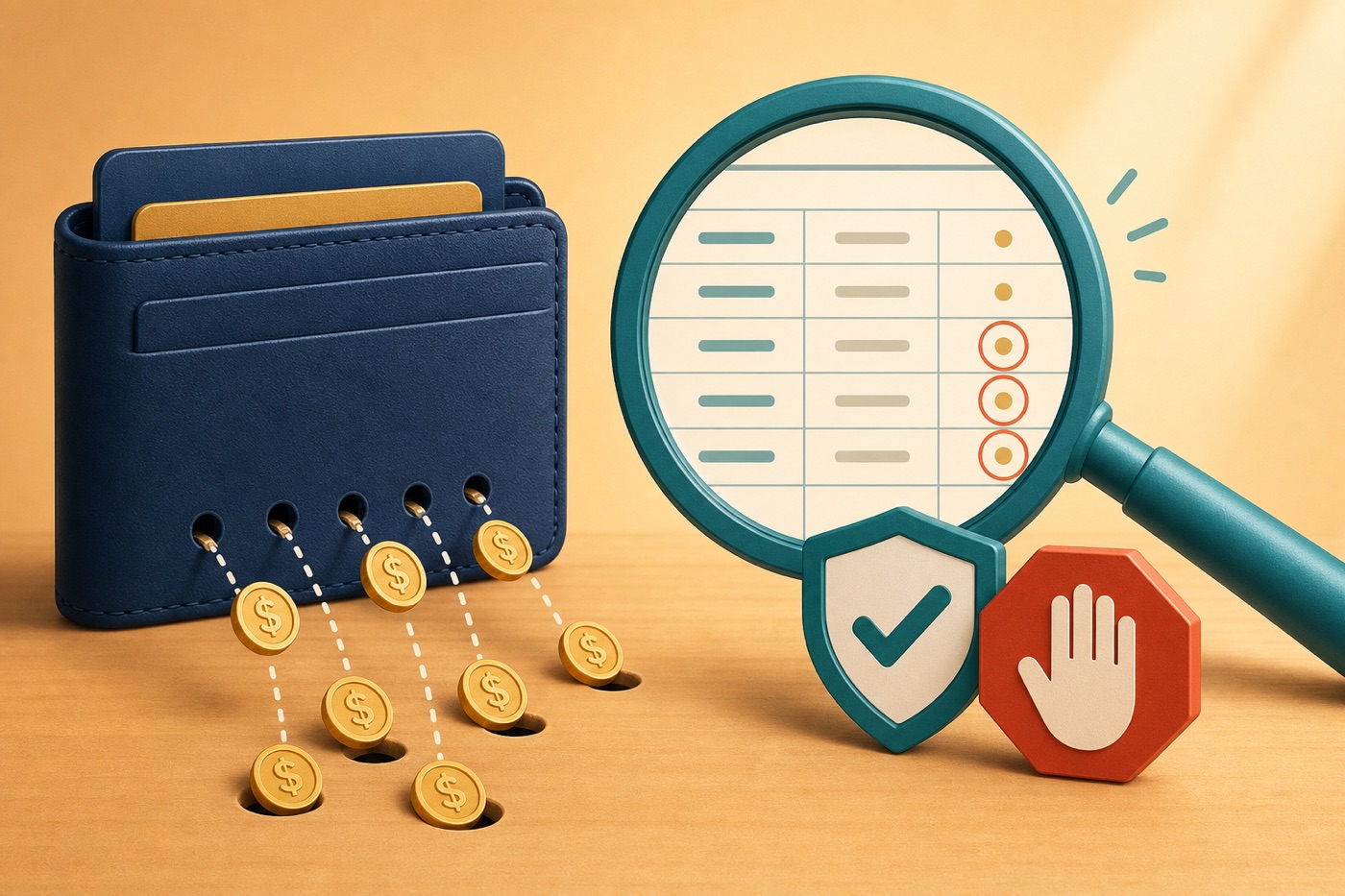
The tradeoff that matters most for consumers is reversibility. ACH transfers can be reversed or returned for several days after they’re initiated – insufficient funds, an authorization dispute, a bank error. That’s a feature if you’ve been the victim of a mistaken or fraudulent debit, but it means an ACH credit landing in your account isn’t necessarily final the moment it appears. Businesses that ship goods immediately after seeing an ACH payment post have learned this lesson the hard way.
Wire transfers: fast, final, and priced accordingly
Wire transfers exist for the opposite reason: certainty and speed, at a cost. A domestic wire typically settles same-day, often within hours, and once it’s sent it’s effectively final – there’s no batch window and no automatic reversal process the way there is with ACH. That finality is precisely why wires are the standard for real estate closings, large one-off payments, and anything where both sides need to know, right now, that the money isn’t coming back.
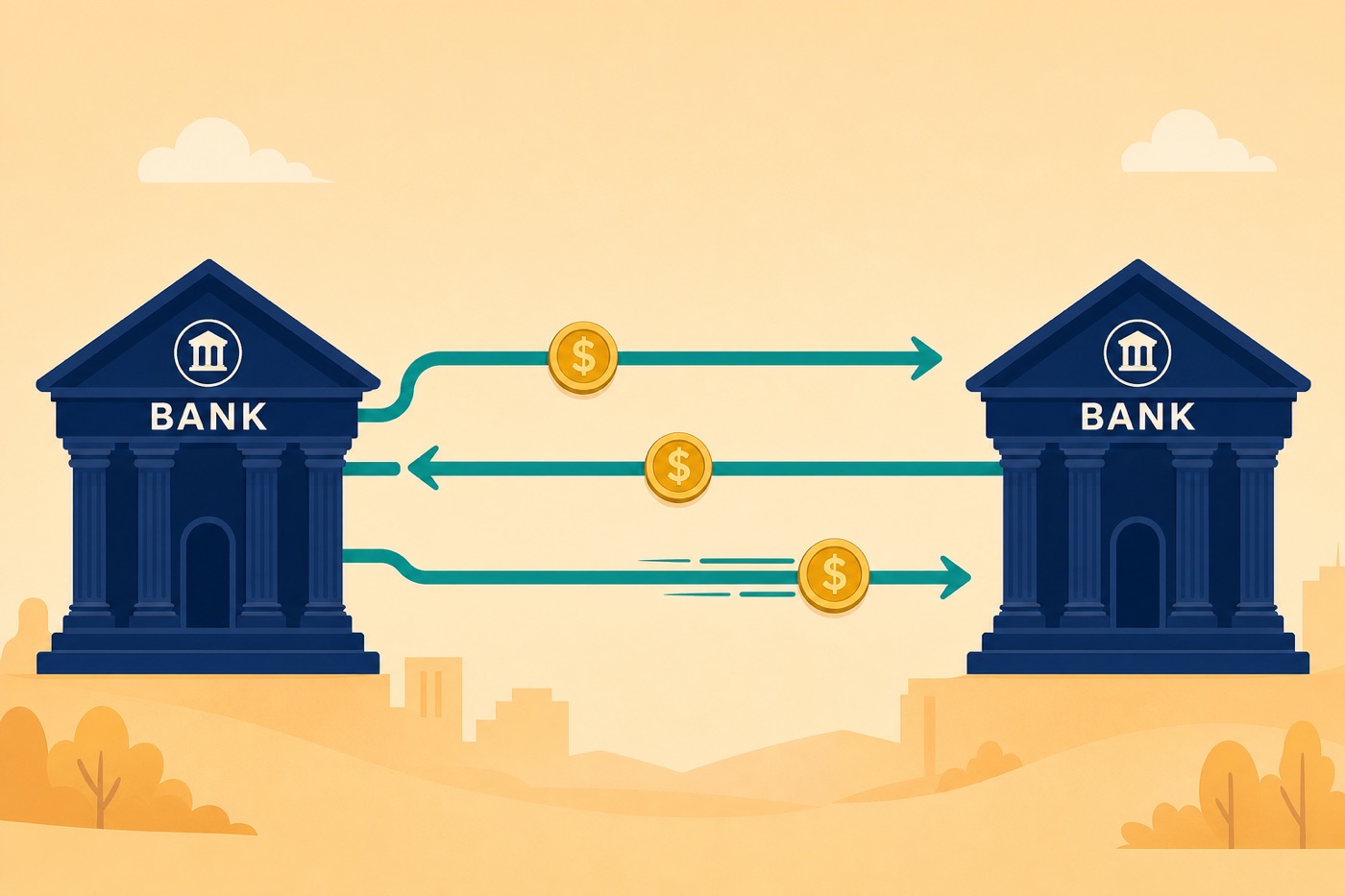
International wires add a layer most people never see: correspondent banking. If your bank doesn’t have a direct relationship with the recipient’s bank, the payment hops through one or more intermediary banks that do have relationships with both, and each hop can add a fee and a delay. This is a large part of why an international wire can take two or three days even though the technology involved is, in principle, instant – the money is really following a chain of bilateral relationships, not one continuous pipe.
You pay for that speed and certainty. Sending banks commonly charge $25-$50 for an outgoing wire, and international wires often carry an additional fee plus a less favorable exchange rate baked into the conversion. Nobody sends their monthly rent by wire if ACH will do; wires are for the transactions where waiting or ambiguity would be genuinely costly.
Instant and real-time rails: catching up to what people actually expect
The newest category is designed to close the gap between “instant” as marketing copy and “instant” as engineering reality. In the US, the RTP network (Real-Time Payments, run by The Clearing House) and FedNow, launched by the Federal Reserve in 2023, both move money bank-to-bank in seconds, around the clock, including weekends and holidays. Peer-to-peer apps that feel instant to the end user are often layering their own ledger on top of one of these rails, or of ACH with an expedited option, so the underlying settlement speed can vary even when the app experience looks identical.
The mechanism that makes true real-time rails work is straightforward in concept: instead of collecting transactions into a batch, each payment message is processed and confirmed individually, immediately, with the receiving bank crediting the account the moment it gets the message. That removes the batch-window delay entirely. What it doesn’t remove is finality risk in the other direction – because these payments settle so fast, they’re generally designed to be irrevocable once sent, which is exactly why banks are cautious about who gets access to them and how big a transaction they’ll allow.
What actually determines which rail you get
In practice, you rarely choose the rail directly – the app or form you’re using decides for you based on the transaction type. But a few patterns hold up consistently: routine recurring payments (payroll, subscriptions, bill pay) go over ACH because cost matters more than speed; large or one-time payments where certainty matters go over wire; and anything marketed as “instant transfer” between individuals is increasingly riding RTP or FedNow rather than old-style ACH.
If you want to understand your own bank’s specific reversal windows, fees, and cutoff times, the Consumer Financial Protection Bureau has a clear plain-language breakdown of how electronic fund transfers are protected and what your rights are if something goes wrong: consumerfinance.gov. Knowing which rail your money is on won’t make it move faster, but it will stop you from being surprised by how long it takes – or how final it already is.