I used to think an emergency fund was just “some money I don’t touch.” Then my car’s transmission gave out the same month my landlord raised the rent, and I found out the hard way that a vague pile of savings and a real emergency fund are two different things. One holds up under pressure. The other quietly evaporates the first time life gets messy, and you’re back to a credit card balance you didn’t want.
What follows isn’t the standard “save three to six months of expenses” line repeated without context. That advice is fine as a target, but it skips the harder questions: which expenses, held where, and accessed how. Get those wrong and the fund either can’t cover what you need or tempts you to raid it for things that aren’t actually emergencies.
Start with your real number, not a rule of thumb
Three to six months of expenses is a reasonable range, but it’s not one-size-fits-all. If you’re a salaried employee in a stable industry with a working spouse also earning income, three months might genuinely be enough. If you’re a freelancer, work commission-based sales, or you’re the sole income in your household, lean toward six months or even more. Job security and income variability matter more than any generic multiplier.
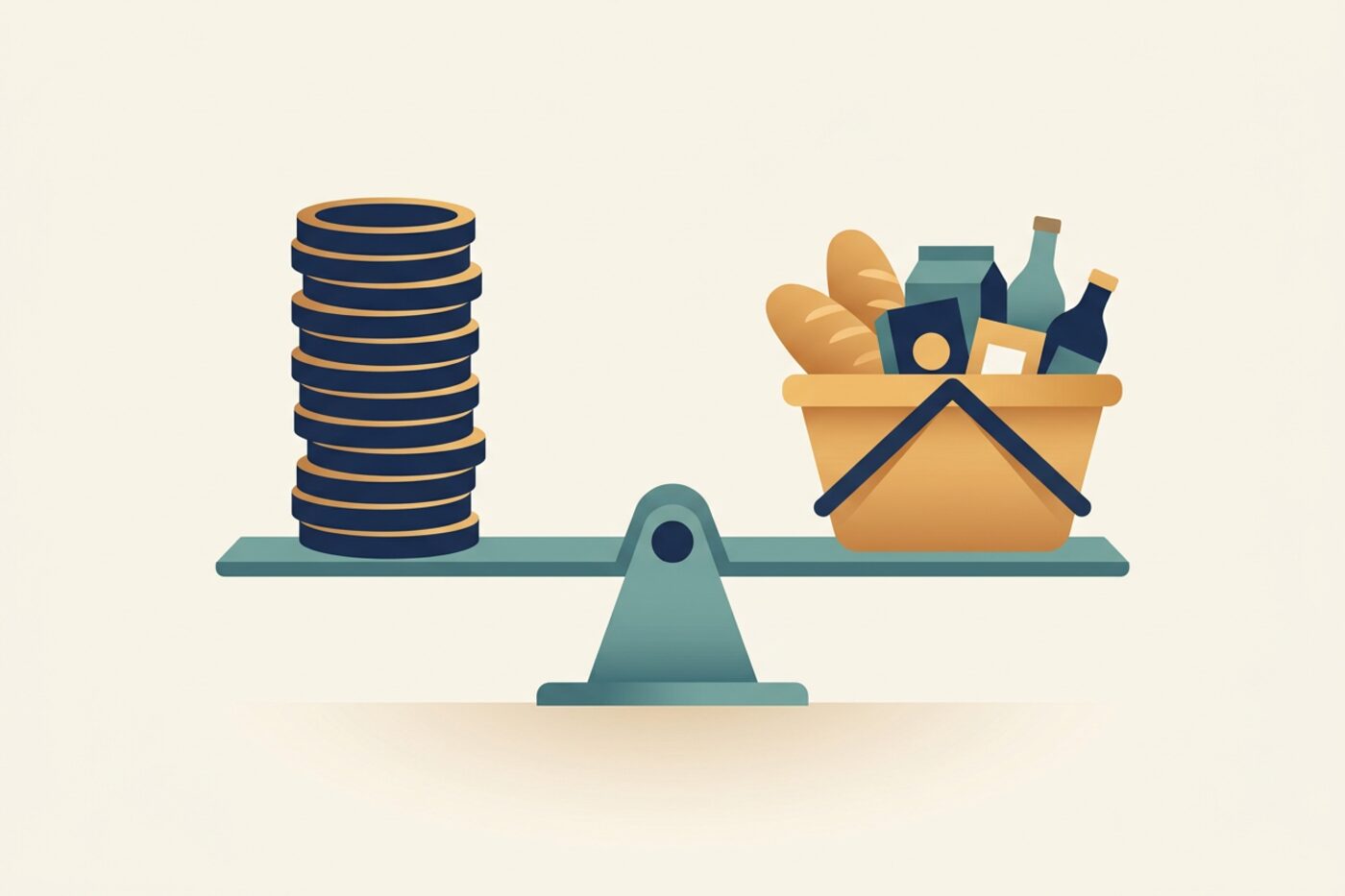
The bigger mistake I see people make is calculating this off their total monthly spending, including discretionary stuff like dining out and streaming subscriptions. Your emergency fund should cover essential expenses only: housing, utilities, groceries, insurance, minimum debt payments, transportation. Add those up and multiply by your chosen number of months. That’s your real target, and for most people it’s smaller and more achievable than they assumed.
Where you keep it matters as much as how much
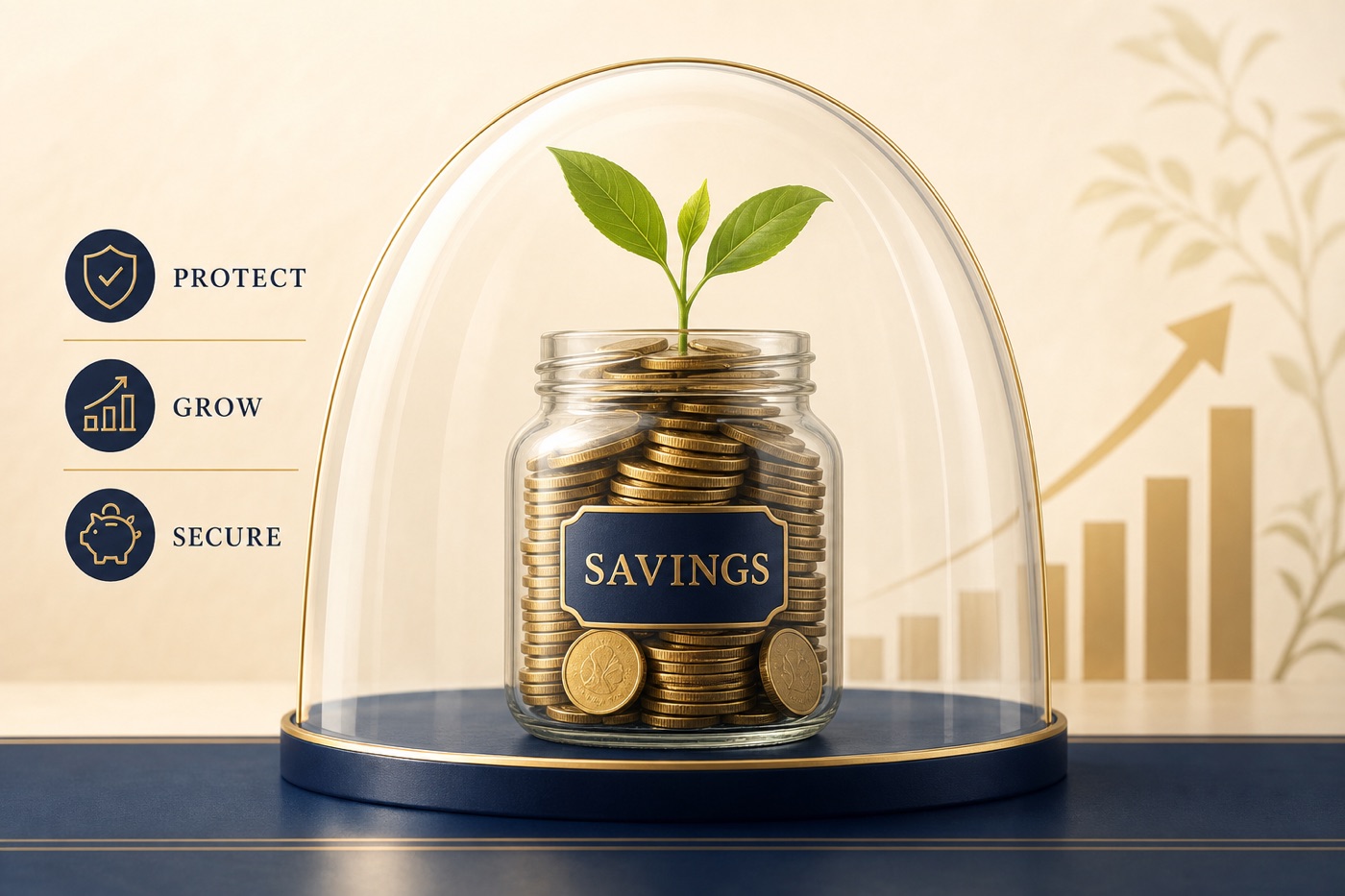
An emergency fund sitting in your regular checking account tends to disappear into everyday spending without you noticing. It needs its own home – a separate savings account, ideally one that’s mildly annoying to transfer out of but not locked away entirely. A high-yield savings account at an online bank works well for this: it’s federally insured up to the standard limits, it earns meaningfully more interest than a typical checking account, and the extra step of logging into a different bank creates just enough friction to stop impulse withdrawals.
What you want to avoid is putting this money anywhere with volatility or withdrawal penalties. That rules out stocks, most CDs with early withdrawal fees, and retirement accounts (which also carry tax penalties for early access in many cases). The point of this money is that it’s there, in full, the day you need it – not that it’s growing as fast as possible. The Consumer Financial Protection Bureau has a solid overview of how to think about savings account features like this if you want to compare options: consumerfinance.gov.
Build it in a way you can actually sustain
Saving three to six months of essential expenses sounds daunting when you look at the whole number at once, so don’t. Break it into a first milestone of one month of expenses, then treat that as a real accomplishment before moving to the next stretch. Automating a fixed transfer right after payday – even a modest one – beats trying to save “whatever’s left over” at the end of the month, because there’s rarely anything left over by design.
If your income is irregular, a percentage-based approach works better than a fixed dollar amount. Set aside a consistent percentage of every payment you receive, so the fund grows proportionally to what you’re actually earning instead of falling behind in slow months. This is also where windfalls help disproportionately – tax refunds, bonuses, or side income are natural candidates to route straight into the fund rather than letting them absorb into regular spending.
Define what actually counts as an emergency
This is where most emergency funds quietly fail. Without a clear definition, “emergency” creeps to include a good sale on furniture or a vacation that got a little over budget. I’ve found it helps to write down, in advance, the specific categories that qualify: job loss, medical expenses not covered by insurance, essential home or car repairs, and unavoidable travel for a family emergency. If it’s not on that list, it comes from a different budget category, not this one.
It also helps to have a replenishment plan built in from the start. Using the fund isn’t a failure – that’s exactly what it’s for – but treat refilling it afterward with the same priority you gave to building it the first time. Investopedia has a good breakdown of common emergency fund mistakes worth reading once you’ve got the basics down: investopedia.com.
None of this is complicated in theory. The difficulty is entirely about follow-through – picking a realistic number, keeping the money somewhere separate but accessible, and being honest with yourself about what qualifies as “actually an emergency.” Get those three things right and the fund does its job quietly, which is the whole point.